
Body shaming leads to the formation of unrealistic body ideals and research has shown that there is a relationship between unrealistic body ideals and low self-esteem, eating disorders, depression, stress, and anxiety issues in males and females

First published: October 25, 2018
https://www.globalvillagespace.com/body-shaming-and-its-effects-on-mental-health/

Body shaming is a widespread practice in our society – we see it in the media where celebrities are often ridiculed about their body shape, on social media through trolling and we even experience it in social gatherings where people comment on our weight changes.

Body shaming is simply defined as ‘the action or practice of humiliating someone by making mocking or critical comments about their body shape or size.’ Almost every female (and many males as well) has experienced body shaming irrespective of their ethnicity, religion, caste, or race.

Purging – also a type of anorexia relates to an eating disorder where an individual purges after eating. This too is related to the desire to lose weight to fit into the mold of an ideal body image.

One is too thin, too fat, too flat, too curvy, but never perfect. The idea of perfection, in fact, is a notion placed on females by society. Individuals often take extreme steps to achieve what they believe is a perfect body. The harmful effects of body shaming and the struggle to attain this perfection get overlooked in the process.

Body shaming leads to the formation of unrealistic body ideals and research has shown that there is a relationship between unrealistic body ideals and low self-esteem, eating disorders, depression, stress, and anxiety issues in males and females. For instance, social anxiety (and even fear) can result from a desire to attain the unreal expectation of an ideal body image.

The fear of rejection due to weight and physical attributes can cause individuals to isolate themselves. Moreover, females who have experienced relentless body shaming often feel ashamed of their natural bodily functions such as sweating, menstruating, eating and such which become factors they work hard to keep hidden.

Thus, they end up denying themselves quality healthcare, leading to sickness and disease. Many different types of mental health issues can arise due to incessant body shaming.

The first and foremost issue related to body image issues and body shaming are eating disorders. Anorexia or Anorexia Nervosa is a psychological issue or ‘emotional disorder characterized by an obsessive desire to lose weight by refusing to eat.’ Those who experience anorexia generally have very low body weight relative to their height and body type.

The awareness regarding the negative effects of body shaming is increasing and we can observe a move towards body positivity. Body positivity is the acceptance, appreciation and even celebration of all body types.

The issue relates to self-starvation and a lack of appetite along with a fixation with a thin figure and abnormal eating patterns. It is a serious issue that ought to be dealt with as soon as possible and with a lot of delicacies. A piece of advice to those who are currently experiencing this or if someone around you is, consult a psychologist without delay!

Purging – also a type of anorexia relates to an eating disorder where an individual purges after eating. This too is related to the desire to lose weight to fit into the mold of an ideal body image. The act of purging by vomiting or abusing laxatives reduces or removes the guilt of having eaten restricted, fatty foods.

Although to some individuals it appears to be a guilt-free method of eating whatever one wants without the repercussion of weight gain – that is not true. Repercussions of purging can be severe for not just one’s physical health but can lead to further feelings of stress, anxiety, and depression. Again, if you see yourself engaging in such behavior, please consult a psychologist.

Binge-eating is another type of eating disorder that research has linked to body shaming. It involves consuming large quantities of food in a short period of time. Individuals who have often been body shamed for being too thin or flat tend to engage in binge-eating to quickly gain weight. Those who binge-eat often struggle with emotions of guilt and disgust and can also experience anxiety and depression.

The media was particularly relevant in increasing body shaming worldwide and providing unrealistic body images to men and women.

The negative feelings and emotions of disgust, guilt, and depression and so on tend to accompany anorexia nervosa, purging, and binge-eating. This can further lead to avoidance of food or the use of food – i.e. overeating to cope with the negativity; thus creating a vicious cycle which is extremely difficult to break. In fact, seeking professional help under such circumstances is not a bad idea and nothing to feel ashamed about. It takes great strength to ask for help.

There are some steps one can take for themselves such as identifying those people around them who are body positive and connect with them. It can help reduce the intensity of the felt body shaming. One should engage in self-love and self-expression, resulting in an increase in confidence and self-esteem.

Additionally, take good care of your body and focus on yourself. One should try not to force themselves into the ideal body image; rather the one should work towards being healthy – drink enough water, eat well, exercise, and so on. Also, most importantly learn not to compare yourself with anyone else.

Please note that though these steps are helpful, however, in extreme cases there is always a need to seek professional help.

The awareness regarding the negative effects of body shaming is increasing and we can observe a move towards body positivity. Body positivity is the acceptance, appreciation and even celebration of all body types. It is the belief that all individuals should have a positive body image and should accept and be comfortable with their own body and that of others as well as be accepting any changes that may occur due to age, time, and nature.

Here the latest #MeriAwaz campaign initiated by Dalda Foods deserves a special mention. Their TVC relates to providing young girls with a positive image and not body shaming them. The media was particularly relevant in increasing body shaming worldwide and providing unrealistic body images to men and women. Now, let’s hope that maybe the media can work towards promoting a healthy body image and body positivity.
just get up and get moving when you find the time – your mind and body will definitely thank you!

first published: September 15, 2018
https://www.globalvillagespace.com/exercise-can-have-a-positive-effect-on-mental-health/

We all are well aware that exercise in any form is beneficial for our physical health. Doctors and medical professionals often recommend it to manage chronic physiological issues such as diabetes, cardiovascular disease, osteoporosis, obesity, and many others. It is important to note that exercise not only benefits our physical health, it can have a positive effect on our mental health as well.

One of the most common mental health benefits of exercise is stress relief. Stress can cause physical symptoms such as headaches, backaches, muscle tension, etc., which in turn further ass to worry and stress! This all ends up in a vicious cycle, and exercising can effectively break this cycle. Additionally, working out releases certain chemicals in our brain such as endorphins and norepinephrine which relieve tension in the body and moderate the brains’ response to stress, Thus exercise can help relieve stress.

Working out improves our ability to pay attention, focus, it reduces anxiety, increases relaxation, boosts creativity, helps regulate our emotions and so on and so forth.

Apart from having a positive impact on stress levels, exercise has been shown to improve memory function and thinking. A recent research showed that running sprints had a positive impact on vocabulary retention. Additionally, research has shown that working out leads to better cell production in the hippocampus – the area of the brain that is associated with memory, learning and emotions.

Exercise also helps boost our self-confidence and self-esteem. The awareness that we are not neglecting yourself and our physical help makes us feel good. To add to that, working out improves our physical appearance which greatly contributes to our self-esteem. Better sleep, improved sleep cycles, and greater energy are also positive effects that can be attributed to exercise.

An increasing amount of research shows that exercise can not only help maintain good mental health but it can even be used in the treatment of psychological issues. For example, working out reduces symptoms of depression, it can maintain our mental health and reduce cognitive decline as we age, it can even help to control addiction. Regular exercise leads to stronger resilience – it helps us cope with life challenges without resorting to drug abuse or an emotional breakdown.

Engaging in an exercise which involves our limbs – both arms and legs have been linked to reduced symptoms of Post-Traumatic Stress Disorder (PTSD). To be specific, research posits that exercise especially reduces symptoms of hyperarousal in veterans who were suffering from sleep-related issues. Furthermore, outdoor recreation activities have shown to improve psychosocial well-being of individuals suffering from PTSD.

It is easier said than done – to commit to working out on most days. Many people complain that they cannot find the time to do so between work, social activities and household chores.

The above are just some examples of how exercise important and advantageous exercise is for our mental health. Working out improves our ability to pay attention, focus, it reduces anxiety, increases relaxation, boosts creativity, helps regulate our emotions and so on and so forth. Despite this, a good question to ask ourselves is how much should you exercise?

Studies indicate that three or more sessions of aerobic exercise or resistance training in a week, each lasting 45 – 60 minutes can help treat even chronic depression. The effects of such an exercise-related treatment program tend to notice about least four weeks and it is suggested that the treatment – i.e. the exercise program should continue on for at least 10 – 12 for the greatest antidepressant effects.

The above study targets depression and how exercise can work as an antidepressant, so for those who find it difficult to find time for a workout – do not despair! Even a few minutes of physical activity is better than not exercising at all – truth be told constant walking in a mall or while grocery shopping can be a good start as well. The idea is to start slow so that your body can adjust to engaging in physical exercise.

One should pay close attention to what their body signals – if your body tells you to take a break of 2, 5 or 10 minutes – do so. There is no denying that eventually, the more you exercise, the more energy you will have and sooner or later you will want to exercise. It is important to try and commit to some amount of moderate physical activity on most days.

It is easier said than done – to commit to working out on most days. Many people complain that they cannot find the time to do so between work, social activities and household chores. For them – try and use the weekends. A recent study conducted in the UK found that people who manage to work out on weekends – one or two sessions during the weekend reap around the same amount of mental health benefits as those who tend to exercise more often.

Thus, it can be said that squeezing in one or two work out sessions in a week can be quite valuable for ones’ health overall. To conclude – just get up and get moving when you find the time – your mind and body will definitely thank you!

I would like to say that sometimes it is beneficial for a child to be raised in a single parent household as compared to a household where they may witness physical or psychological abuse of one parent…. the idea is to encourage parents to find the strength to help their child without considering it as a failing 

First Published: August 17, 2018
https://www.globalvillagespace.com/are-children-reared-by-single-parents-more-prone-to-experience-psychological-distress/

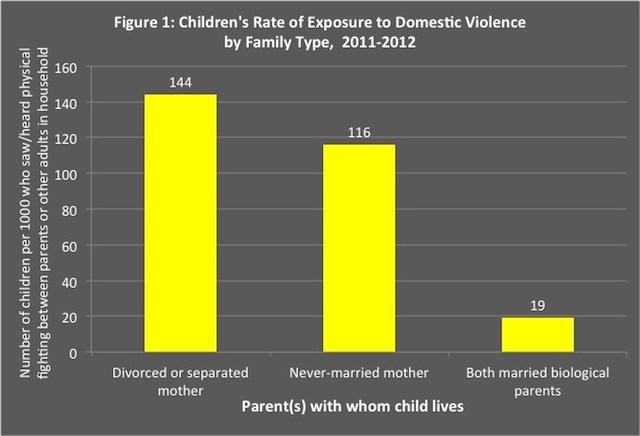
In recent years, we see an increasing number of children being raised by single parents. Research has shown that children of single parents are often prone to experience greater psychological distress and mental health issues. Children of single parents are generally more likely to experience poor outcomes – for which there are numerous reasons.

For instance, children of two parent families tend of have greater resources available to them – not just in financial or economic terms but also in terms of the time both parents are able to spend with their children. Despite the truth of being under-resourced, single parents often have a network of support to raise their children. In our society, we can see grandparents and aunts and uncles being a part of raising the child.

The mother was a working woman and hence found it tough to come home for lunchtime and hence the daughter would often not eat anything during the day till her mother came home.

Children from broken families sometimes blame themselves for their parents’ divorce, at other times they feel that they have to put on a brave mask for their parents so that they don’t feel guilty for the divorce. Research has shown that children of single parents are twice as more likely to internalize their feelings and emotions which can result in anxiety, depression, and even physiological symptoms such as headaches, backaches, rashes, upset stomach, lowered immune system and so on.

Additionally, single parent children are three times more likely to report externalizing problems compared to children from two-parent families – as a result they may display behavioral issues such as hyperactivity, aggression, etc. Depending on the situation, children of single parents can experience feelings of rejection, abandonment, entitlement, self-blame, guilt, satisfaction, and countless other confusing emotions they may often not understand.

Sometimes, even though a parent is trying to help their child and have good intentions, they can compound the problem by trying to help the child accept the reality or attempting to make them feel better. Unfortunately, this can have an adverse impact and can cause problems in the child’s development. It can lead to fears of forming romantic attachments, distrust and inability to develop close friendships, pent up and bottled up emotions that can have a negative impact on their quality of life – and many such lasting psychological scars.

In recent years, we see an increasing number of children being raised by single parents. Research has shown that children of single parents are often prone to experience greater psychological distress and mental health issues.

One example that I can relate (with permission from the client) is about a mother of a 6-year-old who brought her daughter as she was displaying some behavioral issues. One of the issue was that the child refused to eat herself – i.e. with her hands. She always had to be fed every meal by her mother or she wouldn’t eat. The mother was a working woman and hence found it tough to come home for lunchtime and hence the daughter would often not eat anything during the day till her mother came home.

This girl was for five years, her father’s princess. However, one day he left his wife and daughter and moved away. Since then, the girl displayed many depressive symptoms and behaviors including refusing to eat unless her mother fed her. This is when the mother visited a counselor and sought professional help.

By writing this article, I do not aim to scare or discourage single parents. In fact, it is important for parents to realize that sometimes their child might need an outside person – not a member of the family, to talk to. It takes great strength on the parents’ part to realize that they alone cannot solve all the issues that their child faces. Talking to a counselor, for instance, can help the child deal with many issues that they may face.

The counseling process – even the counseling room provides a safe haven for the child to voice their thoughts without judgment or fear. Here, the child can voice their feelings and thoughts without being afraid of hurting either parent, they can share the issues they may be facing in school as a result of the changed household system, or just talk about a new step-parent joining the family. The idea of counseling to not only help the child come out of the trauma they may be experiencing but also learn to overcome changes and take them positively.

I would like to say that sometimes it is beneficial for a child to be raised in a single parent household as compared to a household where they may witness physical or psychological abuse of one parent. This article is in no means meant to discourage an abused spouse from taking action. However, the idea is to encourage parents to find the strength to help their child without considering it as a failing (that they were unable to help their own child). Recognizing ones’ boundaries as a parent is sometimes the best way we can help our children.

The un-spoken truth about motherhood – Postpartum Depression

No counselor will judge or think negatively about you if you talk about not bonding with your child. On the contrary, sharing your feelings with a professional can help you make positive changes in your life and eventually overcome this depression and be able to form a healthy attachment with your child. First published: May…

Read More

“Counselors can help improve mental clarity

First published: May 5, 2018
https://www.globalvillagespace.com/is-it-time-to-seek-counseling/

There is no denying that life is full of difficulties and challenges. Some challenges we can overcome ourselves, sometimes with the help of close friends and family; but other times, we experience issues when we have to admit that we need professional help. Often we are advised to just perk up or join a gym or do yoga to improve our mental health.

However, these things, though helpful, are not a solution for when we feel stuck. Research shows that talking about ones’ feelings, goals and fears to someone unbiased can be powerful, and psychologists are trained to not judge you. In short, therapy can be life-changing.We should realize that there is no shame in seeking counseling. The question that now arises is – how does one know when they need to seek professional help?

Our emotional experience consists of positive and negative emotions. A balance is essential to achieve well-being functioning. There are several theories and models presented by psychologist that help analyze when our emotional well being is in trouble.

Counselors enable you to understand yourself better. Psychologists provide an opportunity to look inwards and answer questions related to oneself.

The DSM-5 is used by health professionals, social workers, and forensic and legal specialists to diagnose and classify mental disorders, and is the product of more than 10 years of effort by hundreds of international experts in all aspects of mental health.

However you don’t need the DSM in order to know when to seek psychological help. If feelings of sadness, anxiety, or any negative emotion, are disrupting your daily life, you need to seek psychological help.

If your anxiety is constant and it has started interfering with your work and other daily life activities, you should consider seeking help. Additionally, there are physical symptoms of anxiety such as frequent headaches, restlessness, diarrhea, shortness of breath and so on, that should not be ignored either.

Psychological services or counseling is not only for “ill” individuals. Anyone feeling low or even having disturbances in his or her interpersonal relationships or at work can seek counseling.

Research shows that talking about ones’ feelings, goals and fears to someone unbiased can be powerful, and psychologists are trained to not judge you.

You should also keep a check on your behavioral pattern. Do you notice anything different in your habits? For instance have you recently lost interest in a hobby you previously enjoyed? Have your sleeping habits and eating habits changed? Feeling a lack of motivation to go to work or perform daily life activities could be signs of depression that should not be overlooked either. Other behavioral changes that shouldn’t be overlooked are things like increased smoking or drinking, and other forms of drug use that one might be using as means of escape.

Are you having trouble communicating your feelings with your loved ones? Relationship issues are another area where counseling can be helpful. Couples or marital counseling can help save your relationship as it can help both parties voice their concerns and chalk out a plan to work on them. Family therapy can involve siblings, parents and children. Here the aim is to resolve family conflicts and improve communication within the family. A psychologist helps improve family relations and enables family members to work together to support each other during trying times.

Death is inevitable, and not appropriately dealing with the loss of a loved one can adversely affect our mental health. Grief counseling is often helpful under such circumstances. A counselor can help you find appropriate ways of dealing with the loss

Similarly, people often need help to deal with a recent or some past trauma. The trauma can be of any intensity and nature – from sexual harassment to being in an earthquake to facing discrimination at work. A psychologist can help map out a strategy on how to cope with it and achieve catharsis.

Couples or marital counseling can help save your relationship as it can help both parties voice their concerns and chalk out a plan to work on them.

A major sign for understanding that it is time to seek professional help and counseling is when your close family members and friends advise you to do so. When people close to you voice their concerns, they should not be ignored as sometimes others can notice things about us that we might not realize.

An outside perspective can be worthwhile. Another reason to seek counseling is when you feel you don’t have adequate support in life; it helps to have someone who would listen to you without judging or lecturing you!

Feelings of anxiety, depression, going to life crisis are not the only reasons for seeking counseling. Athletes for instance consult psychologists for motivations and to calm nerves before a big game. Counselors can help improve mental clarity. Simply talking out loud to someone can improve concentration and encourage goal seeking behavior in people. Psychologists can help people visualize their goals and future.

Thus consulting them for career guidance and such can be helpful. Counselors enable you to understand yourself better. Psychologists provide an opportunity to look inwards and answer questions related to oneself. Understanding our own feelings, behaviors and thoughts can lead to self-realization and really empower a person.